
We tasted some fabulous wines during the course of the HWW Wine Club! I’m taking a sabbatical at the moment but if you are curious about what we have enjoyed then look no further …
Australia
Arfion, 2016 Smokestack Lightning, Yarra Valley
Billy Button, ‘The Rustic’ Sangiovese 2017, Alpine Valleys
Bindi Wines, Dixon Pinot Noir 2016, Macedon
Bindi Wines, Dixon Pinot Noir 2017, Macedon
Bindi Wines, Dixon Pinot Noir 2018, Macedon
Bindi Wines, Kostas Rind Chardonnay 2018, Macedon
Bindi Wines, Pyrette Shiraz 2017, Heathcote
Byrne Vineyards, Antiquarian, Shiraz 2013, Barossa Valley
Bird on a Wire, Syrah 2014, Yarra Valley
Calabria Family Wines, Private Bin Montepulciano 2018, Riverina
Circe, Blanc de Blancs 2014, Mornington Peninsula
Corymbia, Chenin Blanc 2018, Swan Valley
Cullen Wines, Amber Semillon Sauvignon Blanc 2014, Margaret River
Cullen Wines, Mangan East Block 2014, Margaret River
Cuvée-Co Wines Ada’s Prosecco NV Wrattonbully
Cuvée-Co Wines Ivy Elliot Rosé NV, Limestone Coast
Feathertop Winery, Fiano 2019, Alpine Valleys
Hear Me Roar Shiraz 2018, Barossa
Jane Eyre, Pinot Noir 2015, Mornington Peninsula
Moorilla Muse Cabernet 2014, Tasmania
Nimbostratus Whitlands Vineyard Chardonnay 2016, King Valley
Pinemount Wines Shiraz 2016, Mornington Peninsula
Rockford, Local Growers Semillon 2016, Barossa Valley
Salo, Chardonnay 2017, Yarra Valley
Save Our Souls, Sagrantino 2015, Murray Darling
S C Pannell, ‘Diavola’ Nero d’Avola 2018, McLaren Vale
Simão & Co Nebbiolo 2016, Alpine Valleys
Table of Plenty, Fiano 2017, Gundagai NSW
Tellurian Wines, Rosé 2018, Heathcote
Ten Minutes by Tractor, Wallis Vineyard, 2015 Mornington Peninsula
Ulithorne, Flamma Sparkling Shiraz NV, McLaren Vale
Yangarra Estate, Ovitelli Grenache 2017, McLaren Vale
New Zealand
Ata Rangi, Crimson Pinot Noir 2017, Martinborough
Bilancia, Chardonnay 2014, Hawkes Bay
Craggy Range, 2013 Sophia, Gimblett Gravels, Hawkes Bay
Craggy Range, 2014 Te Muna Road Pinot Noir, Martinborough
Millton Vineyards, Chardonnay 2015, Gisborne
Neudorf Vineyards, 2015 Moutere Pinot Gris, Nelson
Quartz Reef, Brut NV, Central Otago
Stonecroft Wines, 2013 Serine, Gimblett Gravels, Hawkes Bay
Te Whare Ra Toru 2018, Marlborough
France
Château Simone, Blanc 2015, Palette
Château Simone, Rosé 2018, Palette
Château Viranel, Trilogie Rosé 2017, Languedoc-Roussillon
Domaine Combier, Cuvée Laurent 2015, Crozes-Hermitage, Rhône
Domaine de Bellene, Saint Romain Blanc Vielles Vignes 2016, Burgundy
Domaine des Carabiniers, Lunar Apogé Côtes du Rhône 2015, Rhône
Domaine des Carabiniers, Lunar Apogé Rosé 2015, Tavel, Southern Rhône
Domaine Jean Perrier & Fils, Methode Traditionnelle Rosé NV, Savoie
Domaine Jean-Perrier et Fils, Mondeuse 2015, Savoie
Dominique Piron, ‘La Chanaise’, Beaujolais-Villages 2014
Gerard Bertrand, Montepeyroux 2011, Languedoc
ROW
Bodegas Palacios Remondo La Vendimia 2015, Rioja, Spain
Bodegas Valdesil, Montenovo Blanco Godello 2014, Valdeorras, Spain
Casarena Estate Reserva Malbec 2013, Mendoza, Argentina
Casebianche, Cumalè Fiano 2014, Campania, Italy
Francois Labet, Île de Beaute VDP Pinot Noir 2017, Corsica
Klein Constantia, Cap Classique Blanc de Blancs 2012, Constantia, South Africa
Weingut A. Christmann, Riesling 2014, Pfalz, Germany

Cuvée-Co Ada’s Prosecco NV Wrattonbully
Grape: Glera
Drink: Now
Another fabulous bottle of bubbles from Peta Baverstock at Cuvée-Co in the Limestone Coast region. Those of you who attended the last HWW Tasting Event will remember enjoying Cuvée-Co’s sparkling rosé and this Prosecco is equally delicious! Prosecco originates from Italy’s north east, in the region of Veneto and this Aussie version is made in a dry style with just 10.5% abv, making it the perfect aperitif for the coming summer months.Back to Australia.

Feathertop Winery, Fiano 2019, Alpine Valleys
Grape: Fiano
Drink: Now or until 2022
With a gold medal and the ‘best white wine in show’ trophy in the bag from the Rutherglen Wine Show, the Feathertop Fiano is one to get your hands on before it runs out! Fiano’s Italian home is in the southern region of Campania but this one is made right here in Victoria, in Bright. Here, the vines are dry farmed in the deep, red soils of the vineyard to produce high quality fruit. The resulting wine is a perfect crisp summer white with just the right amount of texture to match with a variety of canapés, fish and lighter meats. Back to Australia.
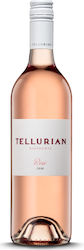
Tellurian Wines, Rosé 2018, Heathcote
Grapes: Grenache, Shiraz, Mourvèdre, Nero d’Avola
Drink: Now
This is an Aussie rosé with an Italian twist! Nero d’Avola hails from Sicily, the island just off the “toe” of Italy’s “boot”. The juicy fruits of Grenache, red fruits, spice and savoury flavours of Shiraz and Mourvèdre are complemented by the crunchy red and black fruits and spice of Nero d’Avola. Dry in style, refreshing in the glass … roll on summer! Back to Australia.
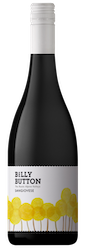
Billy Button, ‘The Rustic’ Sangiovese 2017, Alpine Valleys
Grape: Sangiovese
Drink: Now or until 2021+
Winemaker, Jo Marsh, has an impressive haul of medals and trophies for her wines from a swathe of Italian grape varieties. I tasted this Sangiovese as part of the Young Gun of Wine tasting panel a couple of months ago and was impressed by its classic style, showing lovely rose petal and herbaceous notes together with crunchy red berries and liquorice. A super enjoyable drop this wine is the ideal partner to some of our other favourite Italians – pizza and pasta! Back to Australia.

Calabria Family Wines, Private Bin Montepulciano 2018, Riverina
Grape: Montepulciano
Drink: Now or until 2020
After discovering Calabria Family Wines during my tenure as the Australian Alternative Varieties Wine Show Fellow I’m excited to offer them to HWW members. The quality of winemaking for such great value make the Private Bin wines hard to pass by. Montepulciano hails from Abruzzo on the east coast of Italy, looking out over the Adriatic Sea. Deep colour, ripe cherries, raspberries and liquorice, soft tannins and a dash of oak make this an excellent partner for richer pasta sources, think mushrooms or ragú and you’re on the right track! Back to Australia.

S C Pannell, ‘Diavola’ Nero d’Avola 2018, McLaren Vale
Grape: Nero d’Avola
Drink: Now or until 2020+
This is a modern Aussie take on the Sicilian grape variety Nero d’Avola and clearly it is has hit the mark, having just won the 2019 “Best Other Red Varietal” class at the Sydney Royal Wine Show. The fruit for this wine comes from Olivers Road in McLaren Vale and after being handpicked, the grapes were fermented in small open-top fermenters. Maturation was in very large (4,300L) French oak vats before bottling. Look out for black cherry, dried herbs, dark chocolate and plums wrapped up in a medium bodied wine with juicy acidity and a lingering finish – who can resist?! Back to Australia.

Château Simone, Blanc 2015, Palette AOC, France
Grapes: Clairette 80%, Grenache Blanc 10%, Bourboulenc 5%, Ugni Blanc 3%, Muscat Glanc 2%
Drink: Now or until 2025+
Hailing from the smallest appellation in France, Palette AOC just east of the town of Aix-en-Provence, the wines of Chateau Simone are recognised around the world for their quality. Set in a natural amphitheatre on steep terraces, the north facing vineyard is sheltered from winds whilst basking in sunshine. Not only does the aspect of the vineyard play a vital role in moderating the heat of the south of France but the limestone soil keeps vine vigour in check, providing ideal conditions for the production of quality fruit.
Fruit for this wine comes from vines that are at least half a century old and after being harvested by hand and sorted at the winery it is fermented using indigenous yeasts. Fermentation and maturation take places in the cool temperatures of the estate’s underground cellars. After maturation in small oak casks for 18 months, 6 of which sees the wine sitting on fine lees, the wine spends a further one year of maturation before being released to the market.
Generous and delicious on the palate, expect to find ripe fruits, floral and almond notes to name but a few. Jancis Robinson MW awarded this wine 17/20 points so we are not the only ones who know a good thing when we see it! Back to France.

Château Simone, Rosé 2018
Grapes: Grenache 45%, Mourvèdre 30%, Cinsaut 5%, blend of Syrah, Castet, Manosquin, Carignan, various Muscatel 20%
Drink: now or until 2021
A true field blend of grapes! After being hand harvested and sorted, some of the bunches were destemmed before pressing took place using a hydraulic press. The wine is a blend of direct press juice and free run juice and after fermentation using indigenous yeasts, it spends one year in large oak foudres.
Produced in extremely small quantities this wine shows great structure alongside flavours of red apples and berries, mineral chalk notes and mouthwatering Provençal herbs – one of my all time favourite rosés! Back to France.
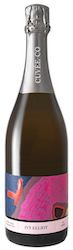
Cuvée-Co Wines Ivy Elliot Rosé NV, Limestone Coast Australia
Grape: Pinot Noir predominantly, Chardonnay
Drink: Now or until 2020
Winemaker Peta Baverstock was one of the 50 Young Guns of Wine in 2019 and she has certainly made a splash with her Cuvée-Co wines since launching in November 2018. This wine comprises Pinot Noir (74%) grown in the Robe region of the Limestone Coast and Chardonnay (26%) from Padthaway. Back to Australia.

Te Whare Ra Toru 2018, Marlborough New Zealand
Grape: Gewürztraminer (75%), Riesling (16%), Pinot Gris (9%)
Drink: Now or until 2020
Toru means three in Māori, reflecting the fact that this wine is a true field of three different varieties. The fruit is subject to a range of treatments – some parcels may be destemmed, some whole bunch pressed, others may undergo skin contact before the juice is blended for co-fermentation. Fermentation vessels are a mixture of stainless steel and large old French oak vessels. The wine is not fined and is suitable for vegans and vegetarians. Back to New Zealand.
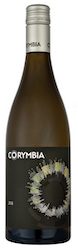
Corymbia, Chenin Blanc 2018, Swan Valley Australia
Grape: Chenin Blanc
Drink: Now or until 2020
Wife and husband, Genevieve and Robb Mann launched their own label in 2013 after many years working in wineries around the world. Fruit for this wine comes from vines planted more than 25 years ago in a vineyard that was dry grown. Harvested by hand, the fruit was whole bunch pressed and fermented using natural yeasts. A portion of the wine was fermented in French oak for four months before blending and bottling. Back to Australia.
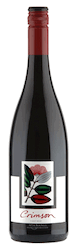
Ata Rangi, Crimson Pinot Noir 2017, Martinborough New Zealand
Grape: Pinot Noir
Drink: Now or until 2022+
This wine is named for the conservation project it sponsors. Project Crimson aims to save two red-flowering native trees in New Zealand – the mountain-loving Rata and the coastal dwelling Pōhutukawa. Fruit for this wine comes from the Martinborough terraces and is hand-picked and completely destemmed. Fermentation uses indigenous yeasts and maturation lasts 9 months in French oak (20% new). Winemaker, Helen Masters, was recently awarded the 2019 Gourmet Traveller WINE Magazine, New Zealand Winemaker of the Year. Back to New Zealand.

Yangarra Estate, Ovitelli Grenache 2017, McLaren Vale Australia
Grape: Grenache
Drink: Now or until 2025+
Another outstanding wine from the Yangarra team. This Grenache was fermented and matured in 675L ceramic eggs to produce a very sophisticated example of Grenache. The vineyard is biodynamic-certified and produces fruit that creates a wine of elegant structure and fabulous flavour intensity without overwhelming the palate. Back to Australia.

Bird on a Wire, Syrah 2014, Yarra Valley Australia
Grape: Syrah
Drink: Now or until 2020
Winemaker Caroline Mooney grew up in the Yarra Valley and sources fruit for this wine from “lean gravelly soils” in the Yarra Glen. Highly rated by both James Halliday and Campbell Mattinson this Syrah is drinking beautifully now, expressing the elegance the variety and region are capable of producing when treated with expertise. Back to Australia.
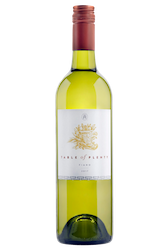
Table of Plenty, Fiano 2017, Gundagai NSW
Grape: Fiano
Drink: Now
This is fresh and crisp, unoaked and super drinkable. It’s a chill it down, pop it open and enjoy kind of wine. Lots of fruit (citrus, passionfruit and pear) and crisp acidity make it a perfect sip on its own or with some freshly grilled seafood.
The more formal stuff … it’s a medal winner at the Sydney Royal Wine Show 2018, it’s from Tumblong Hills in NWS at the foothills of the Snowy Mountains and the grape variety, Fiano, is a south Italian native. Saluti! Back to Australia.
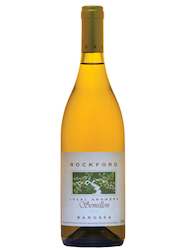
Rockford, Local Growers Semillon 2016, Barossa Valley
Grape: Semillon
Drink: Now or until 2023+
A fan favourite, there is always a bottle or two of Rockford Semillon in the house! With a bit of age on it this wine becomes one of the most delicious whites on the table and I couldn’t agree more with winemaker Ben Radford when he says, “It’s a wine that invites itself to lunch”. Ripe citrus, lemon curd, round and generous on the palate, so as the weather cools enjoy this with a delicious roast chook. Back to Australia.
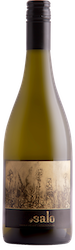
Salo, Chardonnay 2017, Yarra Valley
Grape: Chardonnay
Drink: Now or until 2024+
Another constant in our cellar, Salo is made by Steve Flamsteed (Giant Steps) and Dave Mackintosh (Arfion) and it’s the biz. Packed full of flavour, this is a delicious wine that pairs with lots of different dishes – roast meats, pasta, warm salads or seafood.
The Yarra Valley fruit comes from the Full Moon vineyard in the Gladysdale sub-region and this vintage commemorates 10 years since the first Salo wines were bottled. What better way to celebrate that cracking open a bottle!
Winemaking info … whole bunch pressed directly to large format barrels, fermentation using indigenous yeasts, no MLF, fining or filtration. Back to Australia.

Simão & Co Nebbiolo 2016, Alpine Valleys
Grape: Nebbiolo
Drink: Now or until 2024
So utterly delicious, this red wine from Simon Killeen is flying off the shelves. If you haven’t tried it, you don’t want to miss out. Made from another Italian native grape, Nebbiolo, this example is simply fabulous and super easy drinking – generous, silky, black fruit, floral and liquorice, just perfect for the coming winter nights!
The fruit comes from the Alpine Valleys of north east Victoria, where the vines grow in old river beds. After destemming the bunches, the fruit was gently crushed, fermented and then aged in French oak (20% new) for 22 months. Back to Australia.

Antiquarian Shiraz 2013, Barossa Valley
Grape: Shiraz
Drink: Now or until 2023
This is a perennial favourite at HWW. Soft and generous with all things ripe, round and spicy. A classic Barossa Shiraz and one that will not disappoint with the added bonus of coming from 2013 – a high quality vintage.
Selecting only the best vintages to produce this wine, the winemaking team includes Phil Reedman MW (Master of Wine) and Peter Gajewski, who previously worked alongside Max Schubert, creator of Penfold’s Grange. The wine was matured in French oak barriques for 24 months and is drinking beautifully now but will continue through until 2023 and beyond. Back to Australia.

Moorilla Muse Cabernet 2014, Tasmania
Grapes: Cabernet Sauvignon 69%, Cabernet Franc 30%, Syrah 1%
Drink: Now or until 2025
Such a perfect wine for the coming cold. Dark and brooding with classic Cabernet notes of blackcurrant, plum, black olives and herbs. Elegant, with brilliant purity of fruit and a crystalline structure. Crack a bottle open, let it breath and pair it with a hearty winter dish to enjoy.
Grown in the St Matthias Vineyard on the western bank of the Tamar River in Northern Tasmania, the fruit was fermented in a mixture of French oak and stainless steel. Maturation was in French oak barrels (25% new) for eight months before bottling. Back to Australia.
Circe, Blanc de Blancs 2014, Mornington Peninsula
Grape: Chardonnay
Drink: now or until 2022+
My favourite sparkling wine produced in Australia from Dan Buckle – Chief Sparkling Winemaker at Domain Chandon by day and winemaker for Circe by night. This is the last year he will make his sparkling wine so don’t miss out on grabbing a bottle before they all go!
Dan makes this wine using the same method as that used in the Champagne region and this year’s vintage is more in the grower style of Champagne. Generous and easily enjoyable now, this will also develop delicious complexity over time. Back to Australia.
 Nimbostratus Whitlands Vineyard Chardonnay 2016, King Valley
Grape: Chardonnay
Drink: Now or until 2022
This is the Chardonnay we enjoyed at Marion. It is produced by Dom Valentine (of Valentine Valere Riesling) and Clare Burder (Humble Tumbler). This is this first release and hopefully not the last!
The technical stuff … handpicked and whole-bunch pressed into barrels with fermentation using indigenous yeast. Maturation was for 9 months on lees and in French oak (25% news), which lends a lovely creaminess to the wine, which is balanced by the racy acidity found in fruit from this cooler climate at altitude. Back to Australia.
Ten Minutes by Tractor, Wallis Vineyard, 2015 Mornington Peninsula
Grape: Chardonnay
Drink: Now or until 2027
A beautiful expression of single vineyard Chardonnay from Ten Minutes by Tractor and named for the original owners of the vineyard, Peter and Elizabeth Wallis. This vineyard of 4.84 ha is north-northeast facing with a creek running along the bottom of the slope and was first planted in 1992.
Fermentation of the 2015 Chardonnay took place in French oak (17% new) using indigenous yeasts. The wine underwent partial malolactic fermentation, regular stirring of the lees and maturation for 10 months in barrel. Drink now or through until 2027. Back to Australia.
Pyrette Shiraz 2017, Heathcote
Grape: Shiraz
Drink: Now or until 2025+
A delicious outlier in the Bindi stable and always a pleasure to pop open and drink! The 2017 vintage was cool and this has provided wines with lifted aromas, spice and excellent (read delicious) purity of fruit.
Two vineyards in Heathcote contribute fruit for this wine – one on the Mount Camel Range in Heathcote where vines grow on the red Cambrian soil for which the region is famed and the other, a more southerly vineyard with a mix of shattered rock and Cambrian soil. Fermentation was in large vats using indigenous yeast, before maturation in French barrels (10% new). Back to Australia.
 Hear Me Roar Shiraz 2018, Barossa
Grape: Shiraz
Drink: Now or until 2023
Made at Irvine winery in the Barossa and now completely sold out, this wine is an initiative from the Australian Women in Wine to raise money for education scholarships. The three winemakers involved come from some of the best estates in Australia – they are Sue Hodder of Wynns Coonawarra Estate, Emma Norbiato of Calabria Family Wines, Rebekah Richardson of Irvine Wines and Corrina Wright of Oliver’s Taranga.
The style is generous and velvety in structure with ripe, juicy red and black fruit and peppery spice that will drink well now yet age nicely over the next 5+ years. Back to Australia.
Pinemount Wines Shiraz 2016, Mornington Peninsula
Grape: Shiraz
Drink: Now or until 2020+
After working extensively in Western Australia, Imogen Dillon returned home to Victoria, where she produces wines from both the Yarra Valley and Mornington Peninsula. This is the first release of the Syrah and it won’t be the last. You will find a silky texture with flavours of black and blue fruits together with spicy pepper on offer here. Enjoy this now and through until 2020+. Back to Australia.
 Bindi Wines, Kostas Rind Chardonnay 2018
Grape: Chardonnay
Drink: Now or until 2028+
Named after a close family friend and early mentor to the founder of Bindi Wines, Kostas Rind Chardonnay is a known for its ability to balance ripeness with a taut minerality. The 2018 vintage has produced wines that continue the tradition of balance and expressiveness.
From a 1.5 ha plot, the fruit for this wine is harvested by hand and pressed directly to barrel where fermentation took place using indigenous yeasts. Maturation was in French oak barrels, approximately 20% of which was new. Back to Australia.

Bindi Wines, Dixon Pinot Noir 2018
Grape: Pinot Noir
Drink: Now or until 2023+
Formerly known as the Composition Pinot Noir, the Dixon is produced from fruit declassified from the Original Vineyard and the Block K plots. The style is one of intense perfume, spice and texture.
Fermentation for this wine took place in open-top vats and was a mixture of 95% destemmed berries with 5% whole cluster to heighten the aromatic character of the wine. After 11 months in barrel, approximately 10-15% of which was new, the wine was bottled for release. Back to Australia.
Bindi Wines, Dixon Pinot Noir 2017
Grape: Pinot Noir
Drink: Now or until 2024+
Awarded 16.5 points from the renowned critic Jancis Robinson MW, the Dixon 2017 will drink well now but has a promising future. Back to Australia.
Bindi Wines, Dixon Pinot Noir 2016
Grape: Pinot Noir
Drink: Now or until 2027+
From a vintage described by winemaker Michael Dhillon as very good and rated 8/10 by James Halliday, there is not very much of this delicious drop around, so don’t miss out. Back to Australia.

Domaine Jean Perrier & Fils, Methode Traditionnelle Rosé NV, Savoie
Grape: Gamay (Sparkling)
Drink: Now
HWW club members have enjoyed the white sparkling and the Mondeuse Noir from Jean Perrier & Fils and this sparkling rosé completes a pretty terrific trio! A dry style with lots of stone fruit, almond, cherries and toasty notes makes this wine a perfect accompaniment to charcuterie and cheese platters. Back to France.

Domaine de Bellene, Saint Romain Blanc Vielles Vignes 2016, Burgundy
Grape: Chardonnay
Drink: Now or until 2020
Domaine de Bellene is owned by one of Burgundy’s top producers, Nicolas Potel and this wine represents an excellent example of the white wines of Saint Romain. Lots of lovely stone and tropical fruit with orange citrus and lively acidity to freshen the palate. Drink now and enjoy! Back to France.

Chateau Viranel, Trilogie Rosé 2017, Languedoc-Roussillon
Grape: Syrah, Cabernet Sauvignon, Cinsault
Drink: Now
Based in Saint-Chinian, Chateau Viranel has been owned by the same family since the 16th century. This is a pale rosé with a great balance of summer fruit and herbal notes. Enjoy it as an aperitif or with cheeses, terrines or seafood. Back to France.

Francois Labet, Île de Beaute VDP Pinot Noir 2017, Corsica
Grape: Pinot Noir
Drink: Now or until 2020
Have you ever tried a wine from Corsica? Well now is the time to start! In addition to making wine in the renown Clos de Vougeot of Burgundy, François Labet also produces wine from a small plot on the eastern side of Corsica. Savoury, spicy and black fruited flavours are lifted by violet and rose floral notes. Light in body (11.5% abv.) and easy to drink, this would pair well with pizza or pasta. Back to France.

Gerard Bertrand, Montepeyroux 2011, Languedoc
Grape: Grenache, Syrah
Drink: Now
Sitting on the Mediterranean crescent in the south of France, the vines grow with rugged limestone mountains on one side and the sea on the other. Drinking beautifully now, the wine is filled with black fruit and wild herbs and would go well with moreish winter dishes. Back to France.

Domaine Combier, Cuvée Laurent 2015, Crozes-Hermitage, Rhône
Grape: Shiraz
Drink: Now or until 2022
This is a best seller for HWW Wine Club Members – a great value, expertly made wine delivering red and black fruits alongside a healthy dose of peppery spice. If you have yet to try a wine from the Rhône Valley, this is an excellent example of what to expect – stock is limited so grab some before it’s all gone! Back to France.

Weingut A. Christmann, Riesling 2014, Pfalz, German
Grape: Riesling
Drink: Now or until 2018
The Pfalz region lies between the Haardt Mountains and the Rhine River, directly north of Alsace. Long known for high volume production, Pfalz’s reputation is undergoing a change and producers such as A. Christmann are at the helm of this renaissance, producing high quality intensely flavoured wines.
Weingut A. Christmann began its journey in Pflaz in 1845 and today the seventh generation is at the helm, lead by Steffen Christmann. The fruit for this wine is sourced from three different parcels based on sandstone soils in Gimmeldingen, Deidesheim and Ruppertsberg.
The estate is described by leading German wine critic, Gerhard Eichelmann as being “among the leading wineries in Pfalz” and this entry level wine is an excellent introduction to the wines of A. Christmann. Back to ROW.

Millton Vineyards, Chardonnay 2015, Gisborne, New Zealand
Grape: Chardonnay
Drink: Now or until 2022
James and Annie Millton have been producing wine in Manutuke in the Gisborne region since 1984. The Millton Vineyard was the first biodynamic estate in New Zealand and in 2009 they were the first estate in the Southern Hemisphere to gain biodynamic certification from the internationally recognised Demeter Group.
The Opou Vineyard was established in 1969. Chardonnay and Riesling grapes are grown in the clay loam over river silt soils of the vineyard. For the Chardonnay, the dominant clone is the Mendoza clone (or Gingin clone as it is known in Western Australia). In the winery the juice is pressed directly into small French oak barrels, 15% of which are new, and fermentation begins using natural or indigenous yeasts. A portion of the barrels will undergo malolactic fermentation before the wine is aged in oak for 15 months. The wine is then assembled in stainless steels to rest and gel together before it is bottled onsite and released to the market. Back to New Zealand.
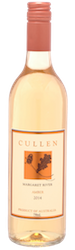
Cullen Wines, Amber Semillon Sauvignon Blanc 2014, Margaret River
Grape: Semillon (64%), Sauvignon Blanc (36%)
Drink: Now or until 2020
This was definitely one of the many highlights at the Cullen cellar door during our recent visit. Inspired by the wines of Georgia where they use everything for the white wines – the juice, skins and pips – to produce an aromatic, textural and delicious white wine, this is Vanya Cullen’s pristine take on that traditional method.
The 2014 is the first Amber wine produced from Cullen, and sadly there will be no Amber produced in 2015 due early rains and bird damage to the fruit. The 2014 however is an absolute delight and not to be missed. The grape juice was left in contact with the skins for anywhere from two days to one month depending on the parcel and the grape variety.
The wine was fermented in a variety of different vessels including open fermenters, closed tanks and the traditional amphora. 2014 was an excellent vintage for Semillon and the Amber is the perfect vehicle to showcase the many layers and complexities of this wine. Back to Australia.
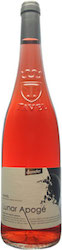
Domaine des Carabiniers, Lunar Apogé Rosé 2015, Tavel, Southern Rhône, France
Grape: Grenache (50%), Cinsault (20%), Clairette (15%)
Drink: Now or until 2018
The Leperchois family have been producing wine in the Rhône Valley since the 1920s. In 1997 they began converting their estate to biodynamics, becoming certified by the Demeter Group.
The rosés from the Tavel appellation in southern Rhône were known historically as the rosés of kings for their quality and international reputation – an honour these deeply coloured wines continue to enjoy today.
Basking in the sunshine of southern Rhône’s Mediterranean climate, the fruit for Tavel rosés is dominated by Grenache up to a maximum of 60% and this contributes to an easy drinking style. In the vineyard the vines are dry framed with all tasks managed by hand including pruning, debudding, thinning and harvesting. In the winery natural yeasts are used and fermentation takes place under temperature controlled conditions. Back to France.

Cullen Wines, Mangan East Block 2014, Margaret River
Grape: Petit Verdot (72%), Malbec (28%)
Drink: Now or until 2024
With an unusual blend of Petit Verdot and Malbec, the fruit for this wine sings of the sunshine under which it grew. Coming entirely from the Mangan Vineyard, both varieties, which can sometimes struggle to achieve full ripeness, have no problem here. Black fruits, spice, liquorice and mineral notes sit together within a restrained frame.
The 2014 vintage in Margaret River produced very good quality fruit in small quantities. The resultant wines are of excellent flavour intensity and Vanya Cullen and her team have crafted the East Block into a medium bodied expression with fine supple tannins and a palate weight that does not overwhelm. Back to Australia.
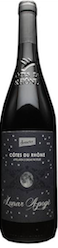 Domaine des Carabiniers, Lunar Apogé Côtes du Rhône 2015, Rhône, France
Grape: Grenache (50%), Syrah (30%), Mourvèdre (10%), Cinsault (10%)
Drink: Now or until 2022
The Côtes du Rhône appellation accounts for approximately two-thirds of the wine produced in the Rhône Valley and the style is one of easy drinking affordability – this wine is no exception. The second offering from Domaine des Carabiniers for the May Offer and a consistent higher scorer with critics such as Wine Spectator and Wine Enthusiast, this is an excellent example of the wines from the region.
The vines that produce fruit for this wine are at least 35-years old and the fruit is harvested during the night to preserve freshness and acidity. This translate to a medium-bodied wine of fruit, savoury and herbal notes with a restrained structure. Back to France.

Ulithorne, Flamma Sparkling Shiraz NV, McLaren Vale
Grape: Shiraz
Drink: Now or until 2019
Ulithorne represents husband and wife team Rose Kentish and painter, Sam Harrison. Rose has not only been a finalist in the GT Wine Magazine Winemaker of the Year awards, she was also voted Winemaker of the Year at the Australian Women in Wine Awards in 2015.
The family divides their time between the south of France and McLaren Vale in South Australia. As a result, their portfolio includes wines produced in both countries and the wine on offer today is a sophisticated expression of an Aussie icon – sparkling Shiraz.
The Flamma NV comprises 11 different vintages of Shiraz fruit from their premium Shiraz vineyard. The different vintage wines are blended into the base wine and the sparkling wine is producing using the traditional method of Champagne.
This deeply coloured wine is described by the winemakers as showing mulberry, dark plum, coffee bean and nutmeg flavours. It is a deliberately drier style of sparkling Shiraz that would match well to Parmesan cheese, rabbit terrine, Xmas pudding or, as the renowned British wine critic Jancis Robinson says “Please bring on some salami!” Back to Australia.

Bilancia, Chardonnay 2014, Hawkes Bay, New Zealand
Grape: Chardonnay
Drink: Now or until 2020
By day, Australian born winemaker Warren Gibson, makes wines for Trinity Hill in Hawkes Bay. By night so to speak, he makes wines under his own label Bilancia (be-larn-cha), which means equilibrium and balance in Italian.
The fruit for this Chardonnay is sourced from the la collina vineyard which is just behind the Trinity Hill Cellar Door and from the Bridge Pa Triangle region of Hawkes Bay.
After being harvested by hand the grapes are whole-bunch pressed and the juice is run straight into puncheons and barrels for fermentation in French oak. Each vessel had varying levels of solids remaining in the juice and indigenous yeasts were left to begin the fermentation. Upon completion of the fermentation, the wine spent 15 months in oak to mature before being bottled.
The style of this wine is food friendly with restrained weight on the palate, fresh citrus and white flower aromas and flavours overlaid with subtle toast notes making this one of my favourite Chardonnays to drink! Back to New Zealand.
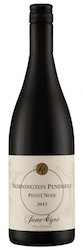
Jane Eyre, Pinot Noir 2015, Mornington Peninsula
Grape: Pinot Noir
Drink: Now or until 2020
Like Rose Kentish of Ulithorne, Jane Eyre splits here time between France, in this case Burgundy, and her home of Melbourne where she makes wines using fruit from the Mornington Peninsula and from Gippsland.
Eyre studied winemaking at Charles Sturt University and went on to rack up impressive experience working at wineries including Cullen, Felton Road, Ata Rangi, Dr Loosen and then in Burgundy with Dominique Lafon and Frederic Mugnier before moving to Domaine Newman where she currently works.
When speaking of her approach to winemaking, Jane says “I’m interested in aromatics. If you want tannic wines there are plenty out there but I don’t like mean wines, my wines are made for drinking in the first decade.”
When in Melbourne, she produces her wines at Bill Downie’s winery in Gippsland. The fruit for the Mornington Peninsula Pinot is sourced from two vineyards located in Merricks. The vines are approximately 20-years-old and are dry farmed. The fruit is harvested by hand and completely destemmed. It is aged in old oak barriques for 10 months before bottling and released without fining or filtering. Back to Australia.

Save Our Souls, Sagrantino 2015, Murray Darling, Victoria
Grape: Sagrantino
Drink: Now or until 2018
Sagrantino is a grape variety from the Montefalco region of Umbria in centre of Italy. This expression of Sagrantino uses fruit sourced from the Chalmers Vineyard in Merbein and is made in a distinctly different style to the Italian version.
Where high tannins are the hallmark of an Italian Sagrantino, this Australian version from William Downie and Jason Searle, is all about easy drinking. After the fruit has arrived from Merbein to the Yarra Valley it is completely destemmed and left to ferment in open top fermenters. Maturation is in neutral oak for 6 months prior to bottling and release with no fining or flitering.
The style of this wine is easy drinking with spicy anise and juicy dark fruits of cherries and plums – perfect for cracking open mid-week or at a weekend barbeque! Back to Australia.

Bodegas Palacios Remondo La Vendimia 2015, Rioja, Spain
Grape: Tempranillo, Garnarcha Tinta (Grenache)
Drink: Now or until 2019
Palacios Remondo is headed up by Alvario Palacios, Decanter Man of the Year in 2015 and one of the pioneers of wines produced from the Spanish region of Priorat. He is known for championing the indigenous grape varieties of the Spain and for reinvigorating interest in wines made from Garnarcha in the Rioja region.
Based in Alfaro in the south-eastern corner of Rioja, Palacios runs the family owned business and in addition to producing wines in the Rioja and Priorat regions he also produces wines in Bierzo.
La Vendimia is a 60/40 blend of Tempranillo and Garnarcha. The fruit is harvested from several parcels of land some of which are located at 550 m above sea level, ensuring the fresh acidity of the fruit is preserved. Once in the winery, the grapes are completely destemmed before fermentation in stainless steel tanks. Maturation is a brief period of 4-5 months in French oak barrique before bottling and release. Back to ROW.
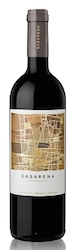
Casarena Estate Reserva Malbec 2013, Mendoza, Argentina
Grape: Malbec
Drink: Now or until 2019
Casarena Bodega y Viñedos produce this particular wine from fruit grown in the Lujan de Cuyo sub-region of Mendoza. Located south-west of Mendoza city, Lujan de Cuyo is known for its high population of old ungrafted Malbec vines and in fact winemaking in the region is devoted exclusively to the production of premium quality Malbec.
Established in 2007 this American-owned concern looked to famed consultant Michel Rolland for guidance in building its reputation. The winemaker, Bernardo Bossi has significant experience with one of Argentina’s icons – Bodegas Catena – and his wines have been very well received by the international wine community.
The grapes for this particular Malbec undergo a rigorous sorting process before fermentation kicks off using natural yeasts and fermentation temperatures are kept low to ensure a gentle extraction of flavour, colour and tannins. Maturation is for 12 months in French oak barrels before bottling and release. Back to ROW.
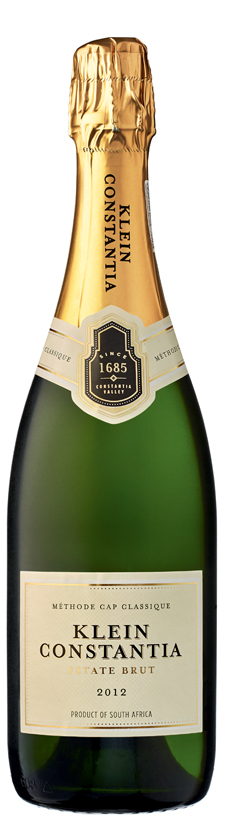 Klein Constantia, Cap Classique Blanc de Blancs 2012, Constantia, South Africa
Grape: Chardonnay
Drink: Now or until 2019
Klein Constantia counts some of the oldest vineyards in South Africa as part of their estate. The grapes for this Cap Classique are harvested in three separate batches from a single vineyard block in the Costal region of Constantia.
Methode Cap Classique is the term used in South Africa for sparkling wine made using the traditional method of the Champagne region. The base wine for this sparkling beauty is aged for 9 months in 500L oak cases before it is blended and bottled in preparation for the second fermentation, which is the one that produces those gorgeous bubbles. Before being released, the wine sits for 20 months on lees. Back to ROW.
 Bodegas Valdesil, Montenovo Blanco Godello 2014, Valdeorras, Spain
Grape: Godello
Drink: Now or until 2018
Godello is the signature white wine grape of the Valdeorras region in Spain’s Galicia province. The family can trace vineyard ownership back to the late 19th century and have recently completed a programme to buy back a number of parcels of land that were sold by past generations.
As a result of this buy-back programme, they now own numerous tiny parcels of vineyards across Valdeorras giving them access to some of the oldest vines in the region. It is from these vines that they produce their stunning wines, including this Montenovo Blanco Godello. Back to ROW.

Casebianche, Cumalè Fiano 2014, Campania, Italy
Grape: Fiano
Drink: Now or until 2019
The Campania region is located in southern Italy and so named for the Latin campania felix meaning fertile fields. The grape Fiano is synonymous with white wine in this part of Italy and in centuries passed it was known as vitis apiana in reference to the honeybees attracted to the vine’s berries as the fruit ripened in the Italian sun.
Husband and wife team, Elizabeth and Pasquale, manage their vines using organic agriculture principles. The vines for this Fiano average 15 years old and cover nearly two hectares. They are located inside the Cilento National Park among citrus, olive and fig trees. Back to ROW.

Dominique Piron, ‘La Chanaise’, Beaujolais-Villages 2014, France
Grape: Gamay
Drink: Now or until 2022
Fruit for this wine is sourced from 50-year-old vines found on the granite and schist slopes of Colline du Py in the Beaujolais region. The Piron family can trace their presence in Beaujolais back four centuries and it is the fourteenth generation who are currently running the business from the village of Morgon.
This wine is named ‘La Chanaise’ after the house Dominique lives in. This particular bottling has been prepared under screwcap specifically for the Australian market to ensure there are no barriers to cracking it open and enjoying flavours of red berries and spice! Back to France.
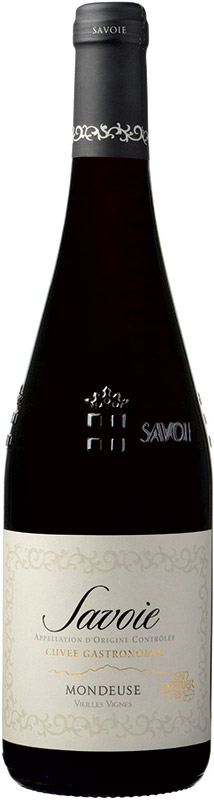
Domaine Jean-Perrier et Fils, Mondeuse 2015, Savoie, France
Grape: Mondeuse
Drink: Now or until 2020
DNA testing has confirmed that contrary to popular myth, Shiraz (also known as Syrah) does not originate from the Middle East town of Shiraz. Instead it is the offspring of two ancient grapes found in France – Mondeuse Blanche and Dureza.
Here we have Mondeuse Noir, also known as Grosse Syrah and a close relative of Mondeuse Blanche. DNA testing has yet to confirm the relationship, but it is thought Mondeuse Noir is either a grandparent or half-sibling of Syrah (Shiraz).
More importantly for those of us drinking this wine, we can see the deep colour and signature pepper characteristics of Mondeuse Noir have been passed to its more familiar relative, Syrah (Shiraz). Back to France.
Byrne Vineyards, Antiquarian, Shiraz 2013, Barossa Valley
Grape: Shiraz
Drink: Now or until 2023
The winemaking team at this family owned estate includes Phil Reedman MW (Master of Wine) and Peter Gajewski, who previously worked alongside Max Schubert, creator of Penfold’s Grange.
Produced only in the best vintages, the Antiquarian Shiraz was matured in French oak barriques for 24 months and will age for 10+ years. 2013 was a dry vintage with harvest completed in record time and while quantity was low, the quality of this vintage is beginning to shine. Back to Australia.

Craggy Range, 2013 Sophia, Gimblett Gravels, Hawkes Bay
Grape: Merlot (62%), Cabernet Sauvignon (19%), Cabernet Franc (18%), Petit Verdot (1%)
Drink: 2018 – 2025
Late last year I tasted this wine at an event in Melbourne and was so impressed by it I wrote a short article about the wine and the region where it is produced – Gimblett Gravels, Hawkes Bay. The excellent vintage conditions and the talent of winemaker Matt Stafford have together produced a wine of premium quality and significant ageing potential.
The wine is made using a classic Bordeaux blend, where the two main grapes are Merlot and Cabernet Sauvignon together with Cabernet Franc for freshness and fragrance and a dash of spice from Petit Verdot. After tasting the 2010, 2013 and 2014 it was the 2013 that really stood out with a lifted aromatic profile of fruit, spice, dried herbs and floral notes, a silky mouthfeel and a powerful structure. This would make a welcome addition to any cellar and will drink well in the years to come – if you can keep your hands off it! Back to New Zealand.

Arfion, 2016 Smokestack Lightning, Yarra Valley
Grape: Pinot Grigio
Drink: Now or until 2019
I have written about Dave Mackintosh’s wines before and the Pinot Grigio continues to be an all time favourite of mine. I finished my last bottle of the 2015 last weekend and am so glad the 2016 has just been released.
Dave uses the Smokestack Lightning label for his small batch wines. For the Pinot Grigio he uses 100% whole bunch fermentation to extract colour and texture from these copper tinged berries. The whole bunch method of fermentation enhances the flavour and aroma characteristics of the wine with further complexity added by the texture derived from leaving the fermenting juice in contact with the skins.
The final result is aromas and flavours of summer red fruits, zingy tangerine citrus and hints of purple flowers wound around a structure of good palate weight and refreshing acidity – more importantly this is one easy wine to drink! Back to Australia.

Quartz Reef, Brut NV, Central Otago
Grape: Pinot Noir (64%), Chardonnay (36%)
Drink: Now or until 2020
Produced using biodynamic principles this sparkling wine employs the traditional method of production most closely associated with the Champagne region. Originally from Austria, winemaker Rudi Bauer was one of the early advocates of biodynamic viticulture in New Zealand.
The term Brut is used to signify a dry sparkling wine and Methode Traditionelle indicates that the secondary fermentation that produced the bubbles occurred in bottle and that the sparkling wine was aged on its lees (dead yeast cells). This imparts toasty, brioche notes to the wine.
Rudi riddles and disgorges the wine by hand and for this batch it was done from Autumn 2016 onwards. For a quick run down on how sparkling wine is made take a look at the latter part of this article. Back to New Zealand.

Neudorf Vineyards, 2015 Moutere Pinot Gris, Nelson
Grape: Pinot Gris
Drink: Now or until 2018
Located in the Moutere region of Nelson, the wines from Neudorf are known for their quality and the Pinot Gris is no exception. I tasted this wine at the cellar door in January with one of the owners, Judy Finn.
This wine would match well with a variety of food due to its aromatics, palate weight and refreshing acidity. Back to New Zealand.

Craggy Range, 2014 Te Muna Road Pinot Noir, Martinborough
Grape: Pinot Noir
Drink: Now or until 2020
Fruit for this wine was harvested entirely by hand with the majority being destemmed prior to fermentation – a small amount (15%) of bunches retained their stalks for added aromatic intensity.
I tasted this wine in January at the cellar door and was immediately struck by the restrained structure of the wine. Medium in body with a fine and supple tannin structure this wine showed delicious classic Pinot notes of red fruits, dried herbs and pretty floral notes. It is drinking well now and has the potential to show nice development over the next 3 – 4 years. Back to New Zealand.
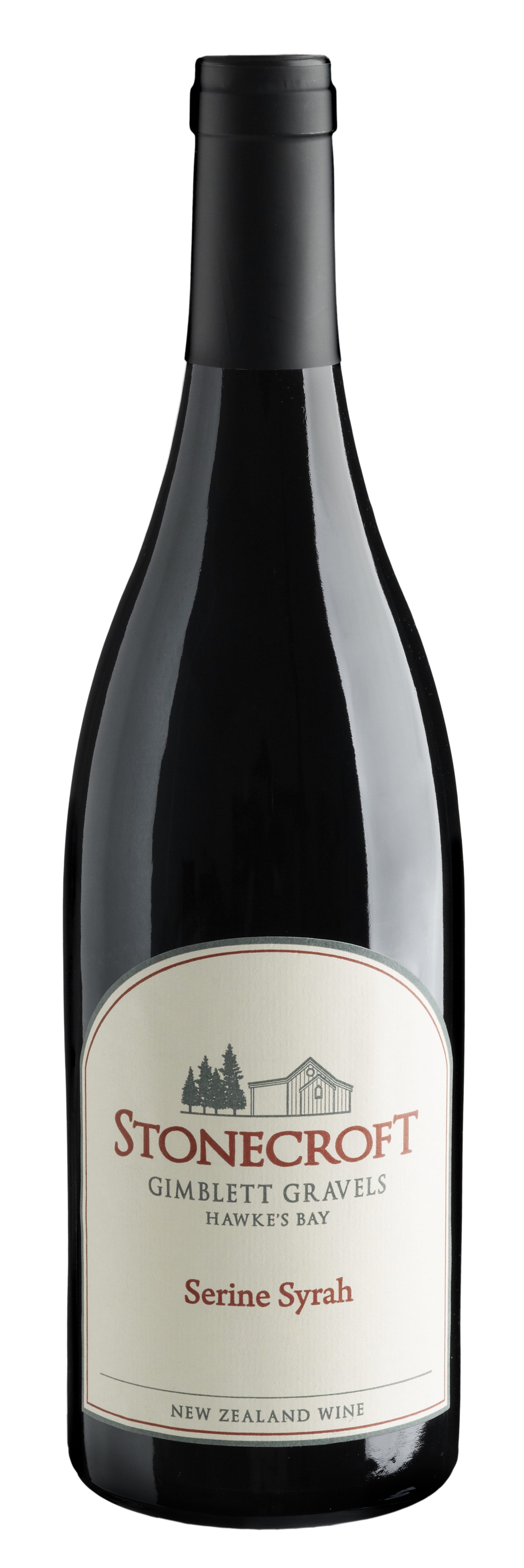
Stonecroft Wines, 2013 Serine, Gimblett Gravels, Hawkes Bay
Grape: Syrah
Drink: Now or until 2019
Stonecroft Wines are certified organic and produce Syrah from the oldest vines in New Zealand. They were the first winery established in the Gimblett Gravels area and have a traditional approach to producing their wines.
Another red wine from the outstanding 2013 vintage, the Serine Syrah shows enticing restraint in style yet all the hallmarks of a quality expression – fine tannin structure, red and black fruits with savoury meat and black pepper notes. The fruit for the Serine was hand harvested and the wine matured for 18 months in French oak barrels, 25% of which were new. Back to New Zealand.
 Simone Madden-Grey : Happy Wine Woman